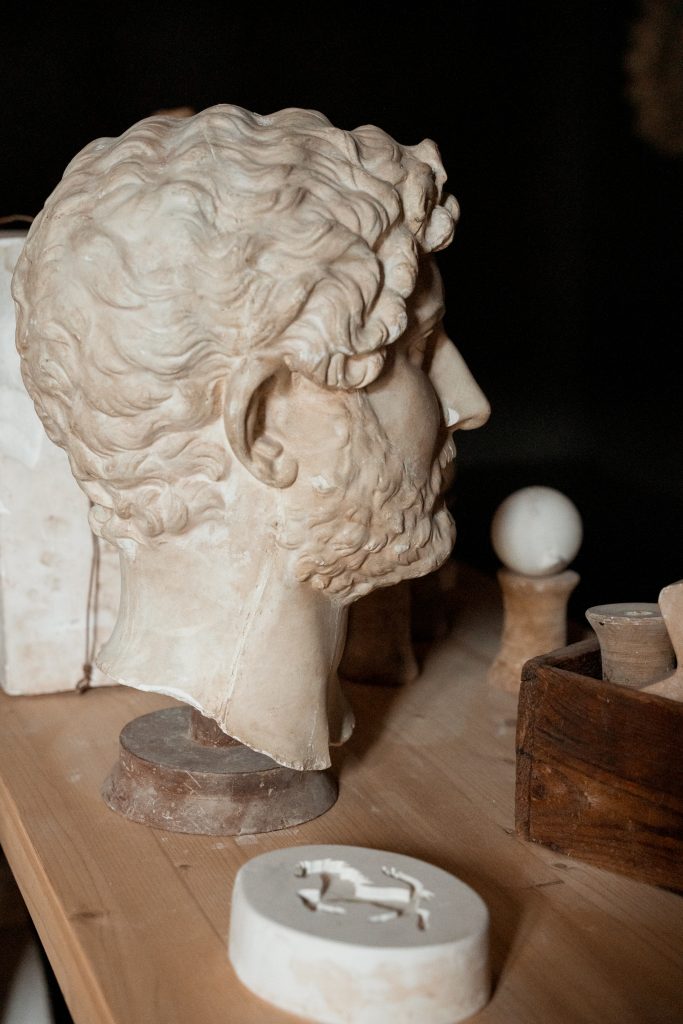
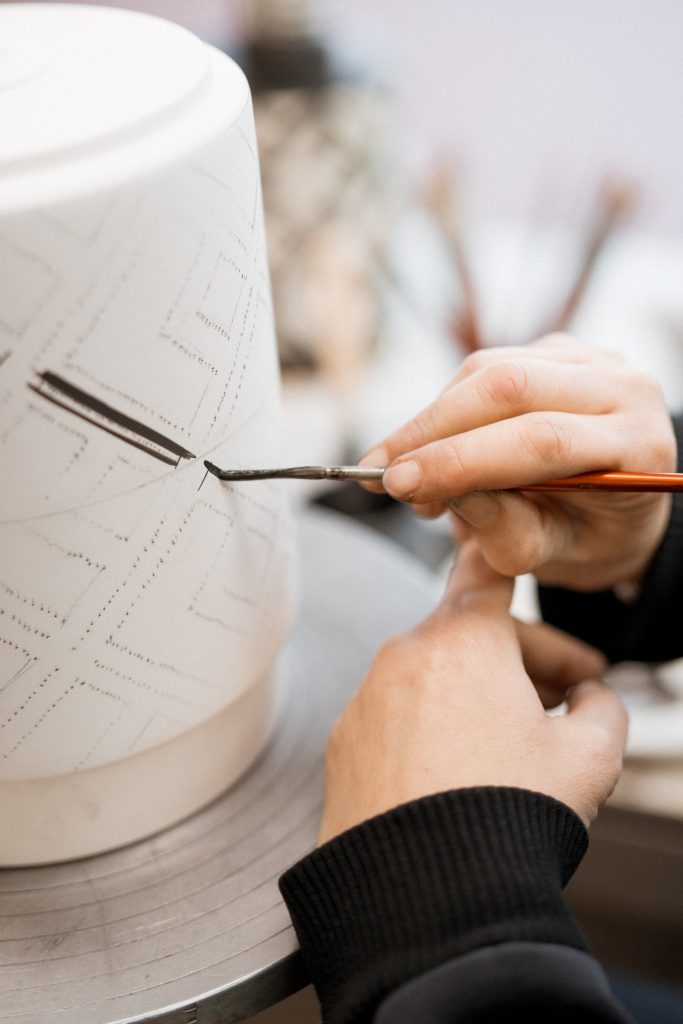
Amid the rolling vineyards and olive groves of the Montelupo Fiorentino region a sunlit workshop hums with quiet industry. Newly forged pots wait to be fired. Freshly glazed vases gleam in vivid color. Craftspeople shape clay on wheels and delicately engrave and paint each vessel and figurine by hand.
Since the late 13th century, this Tuscan enclave—just west of Florence—has been the artisanal heart of a deeply held craft tradition in ceramics. It flourished during the Renaissance, when art and industry thrived under the Medici, as the region fostered all the essentials for successful pottery-making: Rich clay came from the surrounding hills, and the Arno River was the lifeline by which fragile earthenware and majolica could be easily transported to the rest of Italy, then across Europe and beyond.

Few family names have been more vital to that history—or endured as long—as Bitossi. Their dynasty dates as far back as the 1530s, when archival records document ancestors working as potters and kiln masters. Yet it wasn’t until 1921 that Guido Bitossi officially established the business that has become one of Italy’s most influential ceramic houses. It’s defining chapter was the postwar years under the creative direction of Aldo Londi, whose vision helped reshape contemporary pottery and create a modern design language.
A Montelupo native, Londi approached ceramics as something far more meaningful than mere craft; he believed the pieces were living art. His philosophy was simple: Objects for the home should be expressive and functional, and elevate everyday life. In 1955, he established a union with architect Ettore Sottsass that would last more than 40 years and see the creation of pieces that beautifully embodied his ethos—graphic, sculptural, and boldly modern vases, bowls, and vessels that redefined what ceramic objects could be and cemented Bitossi’s reputation as an art pottery pioneer. (Those original pieces, made from the 1950s through the 1980s, are now coveted collectibles: In 2023, one of Sottsass’s 1966 totem sculptures sold for nearly $900,000.)
Today, the house’s vision is carried out under creative director Ginevra Bocini, Guido Bitossi’s great-granddaughter. (Bocini’s mother, Cinzia Bitossi—who attended school at the historic Collegio alla Querce, now an Auberge Collection property—previously served as the longtime creative director.) Since taking the helm in 2017, Bocini has balanced her family’s long heritage with new, contemporary aesthetics, expanding the house through collaborations with global designers and artists, such as Patricia Urquiola, Nathalie Du Pasquier, and Max Lamb. She has also led partnerships with Gucci, Supreme, and Fornasetti, as well as with art galleries and cultural institutions. This year, Bitossi introduces projects with Italian-born furniture designer Martino Gamper and Lisbon-based Studio HAOS.

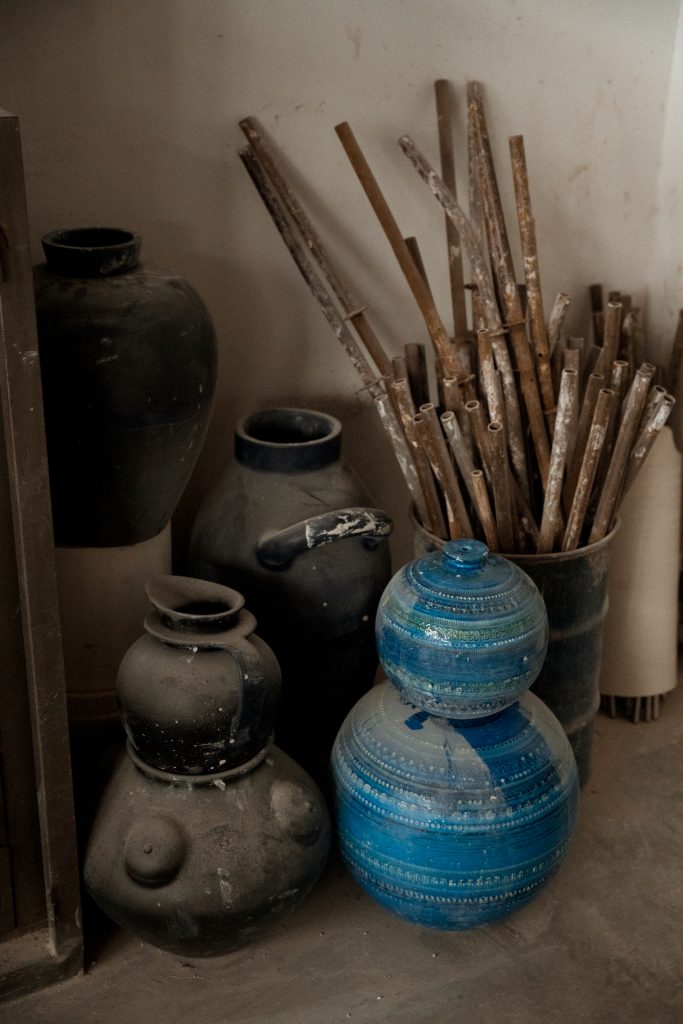
A visit to Bitossi’s expansive archives unfolds like a tactile history of Italian design. The curated museum displays pieces through time: prewar classics, postwar graphic patterns, pop-art color waves, metallic glazes. Taken together, the assemblage underscores Londi’s central belief—that this house of pottery eschews a singular aesthetic in favor of experimentation and artistic relevance. “Londi interpreted the international postwar desire for modernity through a deeply Italian and Tuscan lens,” Bocini says. “He translated a local, centuries-old craft culture into a language that felt fresh, joyful, and accessible, while remaining rigorously handmade.”

Among Londi’s most iconic collections is his 1950s Rimini Blu. Inspired by the sun’s dancing reflection on the Adriatic, the cobalt-blue pottery, finished with a crystalline glaze, transformed traditional ceramics into the realm of art and design. Decades later, those mesmerizing lapis lazuli pieces are instantly recognizable. Inside the archive, displayed prominently, their effect is still hypnotic.

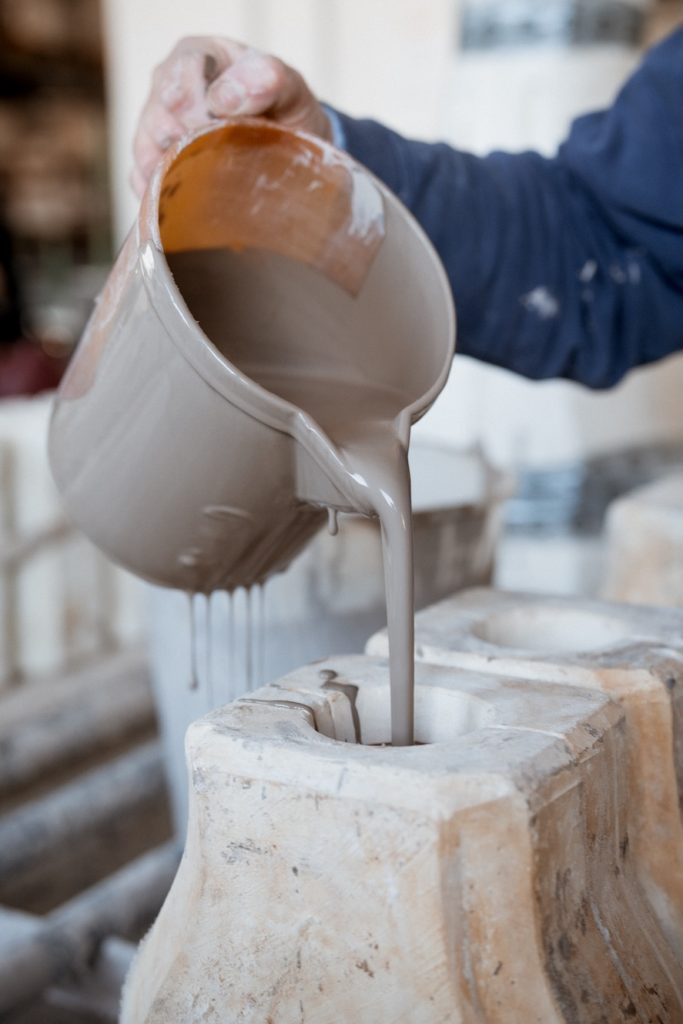
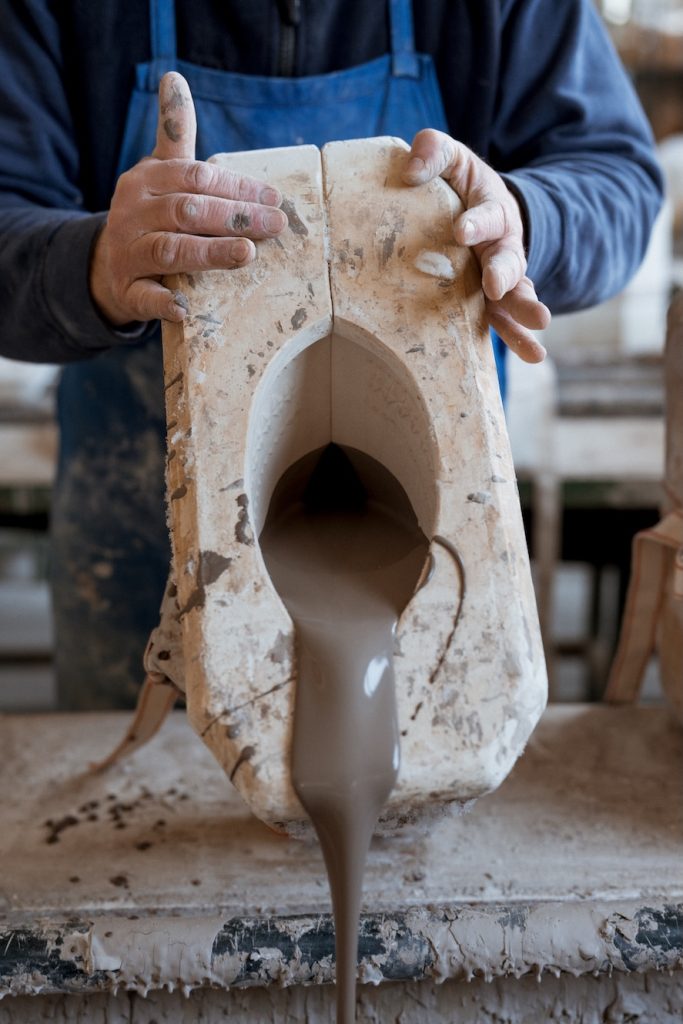
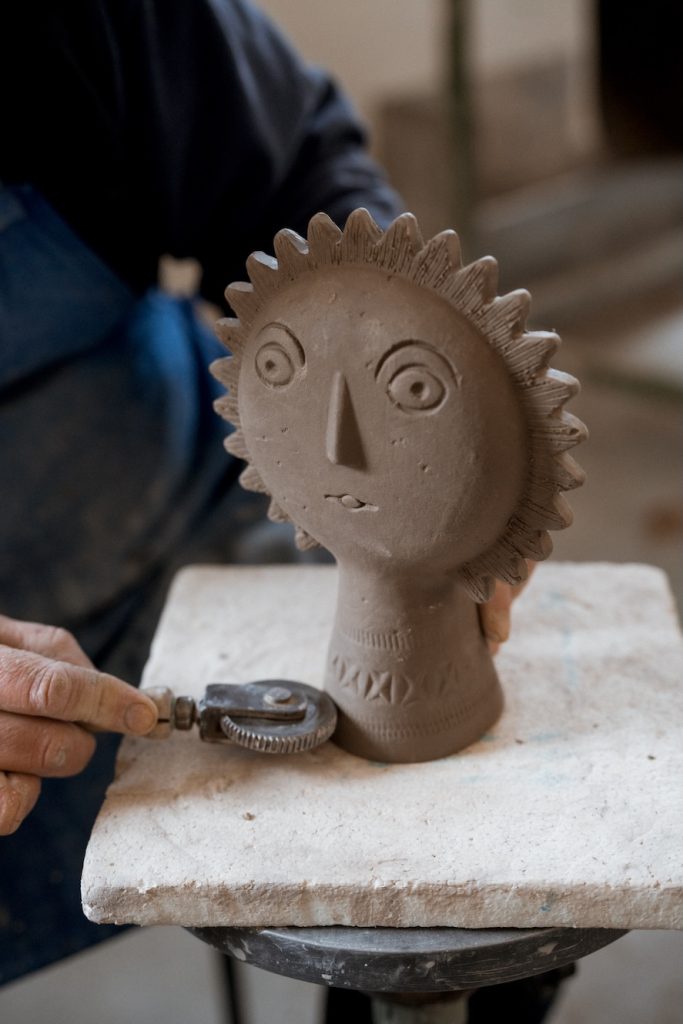
Bitossi’s process remains resolutely artisanal. Every piece is still made entirely by hand; some can take up to a month to complete. Around 15 artisans specialize in various aspects, from wheel throwing and mold making to glazing and firing—all skills honed over years of training and sensitivity to the material. To ensure the craft lives on for another five centuries, the house also operates a school where apprentices learn the skills and sensibilities of pottery making from masters.
The precious clay of Montelupo Fiorentino remains faithfully alive in those skilled hands, and with each new piece, another chapter is added to Bitossi’s proverbial book of craft.