


By Raposh John’s red shuka swayed hypnotically as he moved through the Tanzanian savannah. Palm fronds crackled in the breeze, and the air was warm and sweet with the heady fragrance of wild mint and basil crushed underfoot. Our group of three had been invited by the Maasai safari guide to walk in complete silence. Phones, cameras, and smartwatches had all been left behind in our suites at Chem Chem Lodge, Auberge Safari. The feeling of being unencumbered by any form of communication felt novel, if slightly unnerving.
I inhaled a long sooooooo, then exhaled hammmmmm, the sounds helping me to focus on my breath and bring awareness to my senses rather than the thoughts colliding in my head. Raposh silently pointed out a tawny eagle on top of a nearby fever tree, then gestured at a half-gnawed leopard tortoise shell lying in the path. Was that the work of a hyena? I allowed the thought to come and go but didn’t say a word.
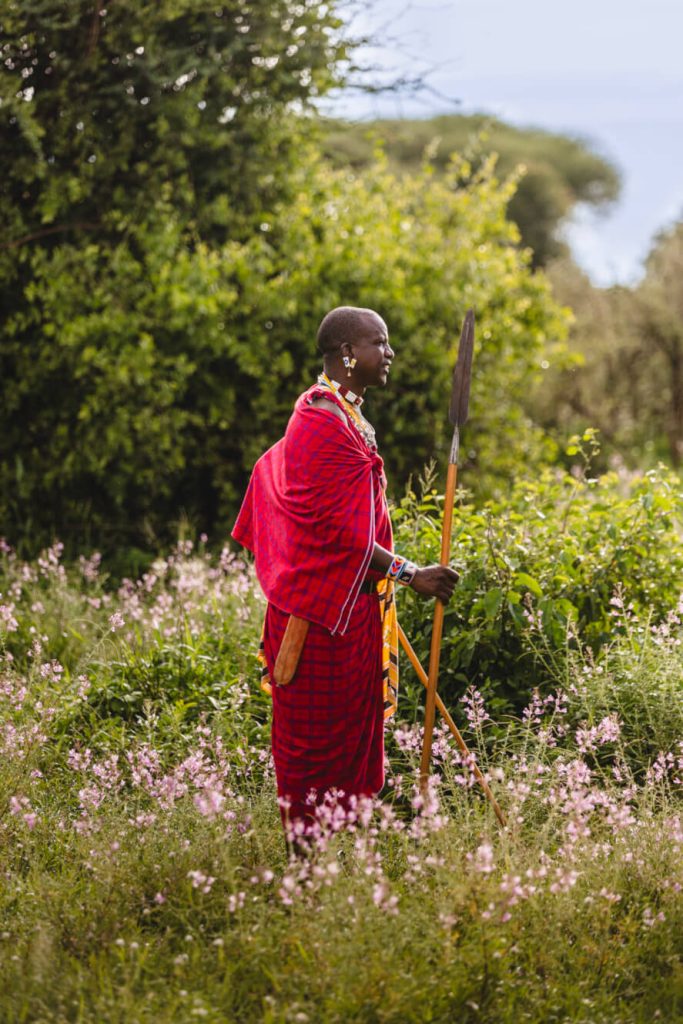
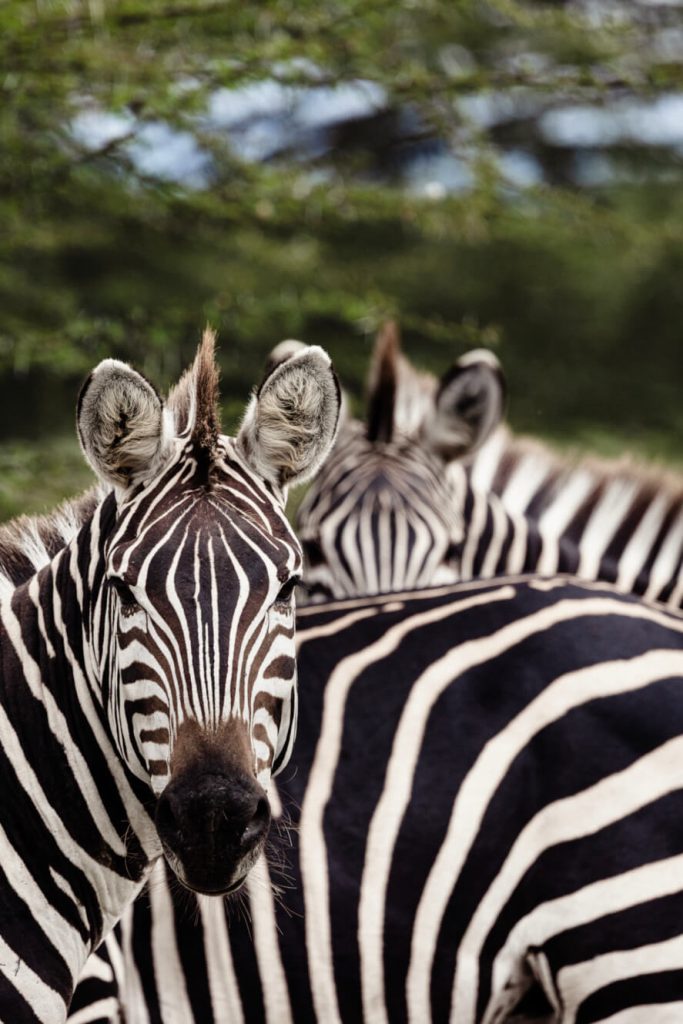
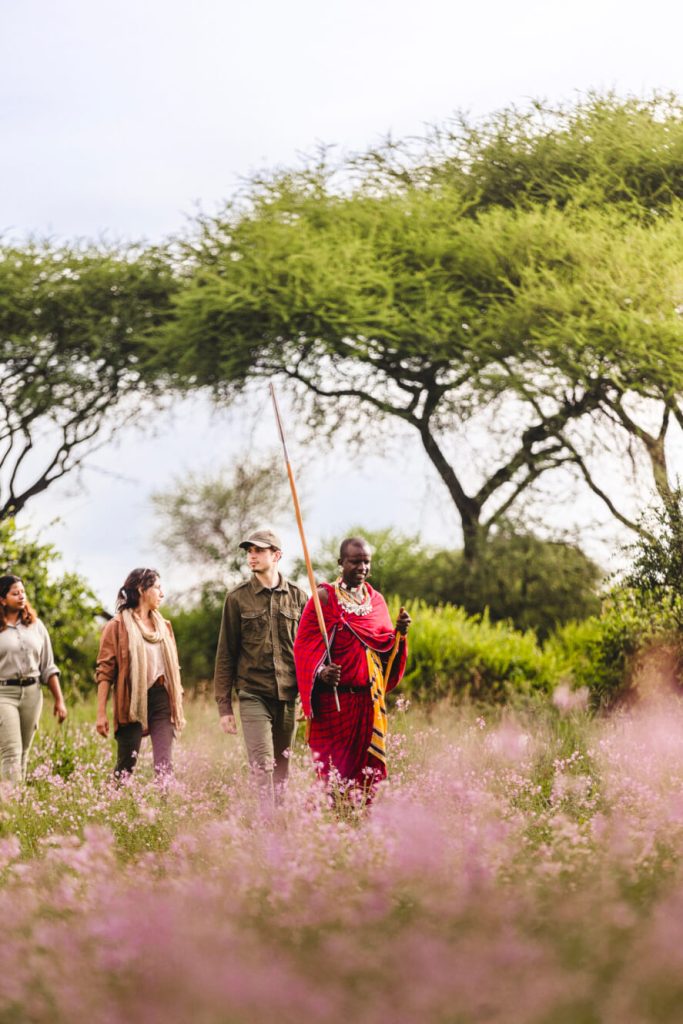

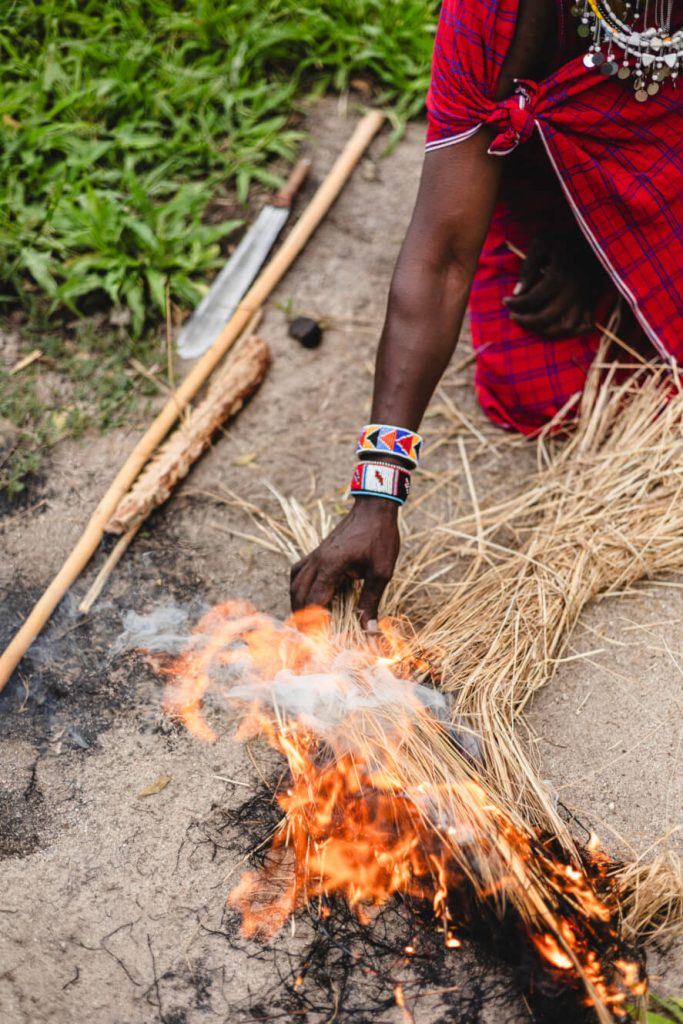
The soft-focus stares of giraffe and wildebeest followed us as we soon arrived on the shores of Lake Manyara. Clutched in the palm of my hand was a scrap of paper on which I had scribbled a private thought—a behavior I had been wary of dragging with me—that I wanted to release. John crouched down to make a fire the traditional way, using a spindle of hard grewia wood and zebra dung bundled in dry grass. I tossed my toxic trait into the flames, surprised at the power of this simple, symbolic gesture of letting go. There was time to wander off, to enjoy the freedom of not having to be anywhere else, unfettered in the vast nature of the private Burunge Wildlife Management Area. Later, our group gathered around a bonfire on camping stools to sip homemade tea made from wild herbs, baobab powder, and honey. The silence felt easy.

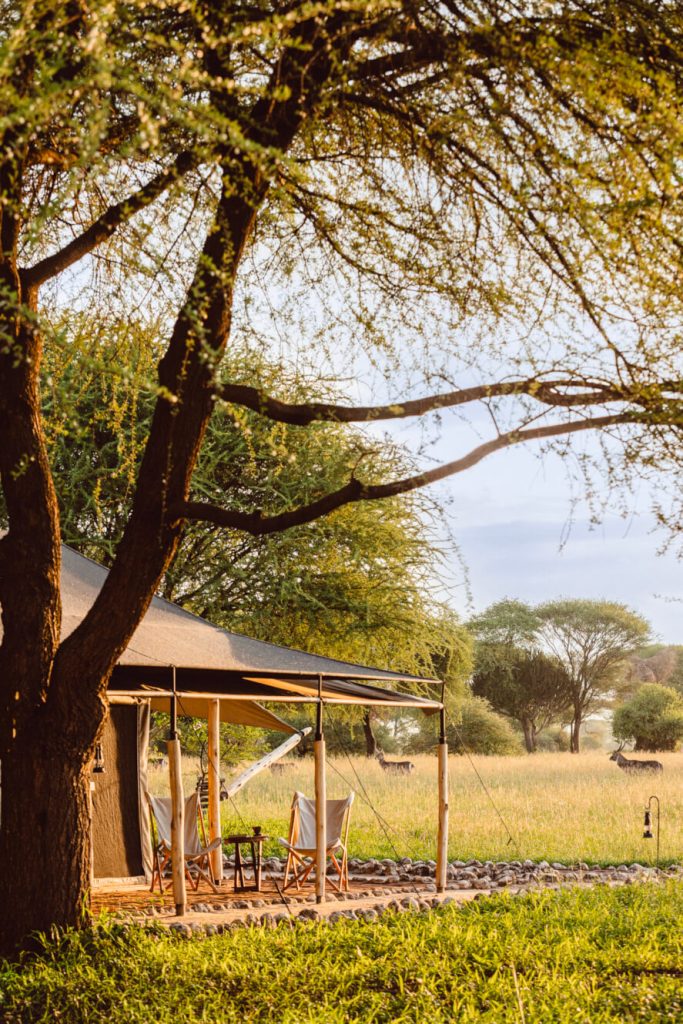
Silent walks are one of many ways Chem Chem properties—comprised of the flagship Chem Chem Lodge and two luxury tented camps, Little Chem Chem, Auberge Collection and Forest Chem Chem, Auberge Collection—invite guests to experience the Tanzanian wilderness at a more intentional pace. The properties are part of nine extraordinary lodges and camps within Auberge Safari, Auberge Collection’s portfolio set across exclusive-use reserves, conservation-led wildlife management areas, and Serengeti National Park in northern Tanzania. Uniting properties from Chem Chem and Legendary Expeditions, the portfolio offers rare access to the shared wonder of the wild through private guides and vehicles, meaningful cultural encounters, and experiences shaped by each destination.
The Chem Chem properties are also the birthplace of Slow Safari, a philosophy introduced here in 2011 and shaped by co-founder Fabia Bausch’s belief that guests should have greater freedom over their time. Rather than waking before dawn, sharing a vehicle with strangers, and racing from one sighting to the next, guests can decide where to go, when to leave, and how long to linger. With Auberge Safari, luxury is expressed as time, privacy, and freedom.
Bausch emphasizes that decelerating the pace of a safari can deepen the experience. “We give guests the choice and the time and space to listen to their inner voice again.” To that end, Chem Chem trains its guides against the reflex to fill every pause, creating space for guests to become more deeply immersed in the landscape. What began as a more flexible approach to game drives now informs everything from silent bush walks to wellbeing rituals and cuisine.
On my first game drive, with head guide Salum Mpapa, the Maasai quietly observed how I reacted to each scene and wildlife encounter, engaging with me at times while allowing for comfortable pockets of silence between conversations. Compared with other safaris in which I had sat captive as guides rattled off rote facts and figures as if on autopilot, this time, I found myself immersed—and more inquisitive—as I was given time to ponder and reflect. It was less about remembering textbook details and more about how it felt to hear the call of a bird, to see a lioness nuzzling its cub, to smell the sweet scent of acacia in the wind.
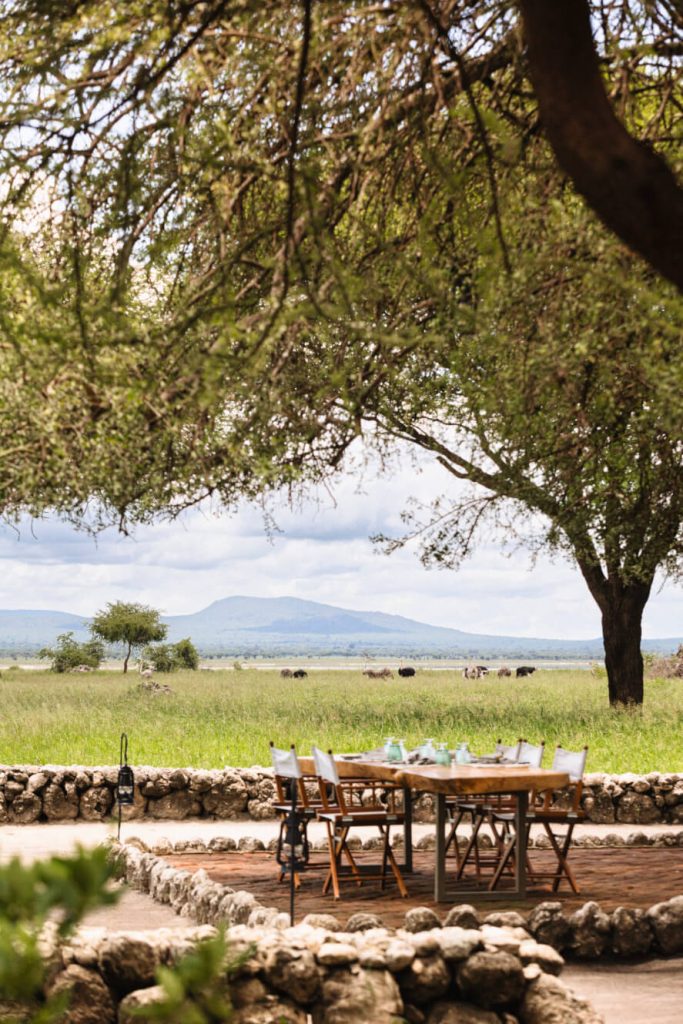

The morning with Mpapa ended beneath a 1,000-year-old baobab, where breakfast was laid out by executive chef Jimmy Ngira: light pancakes with honey and homemade chocolate-and-cashew spread (Tanzanian Nutella, as Ngira called it); caramelized onion and goat cheese tartlets; and moringa muffins baked with both the seeds and the leaves. Every dish was built on ponya, a Swahili word meaning “healing,” and another facet of Chem Chem’s mindful safari ethos.
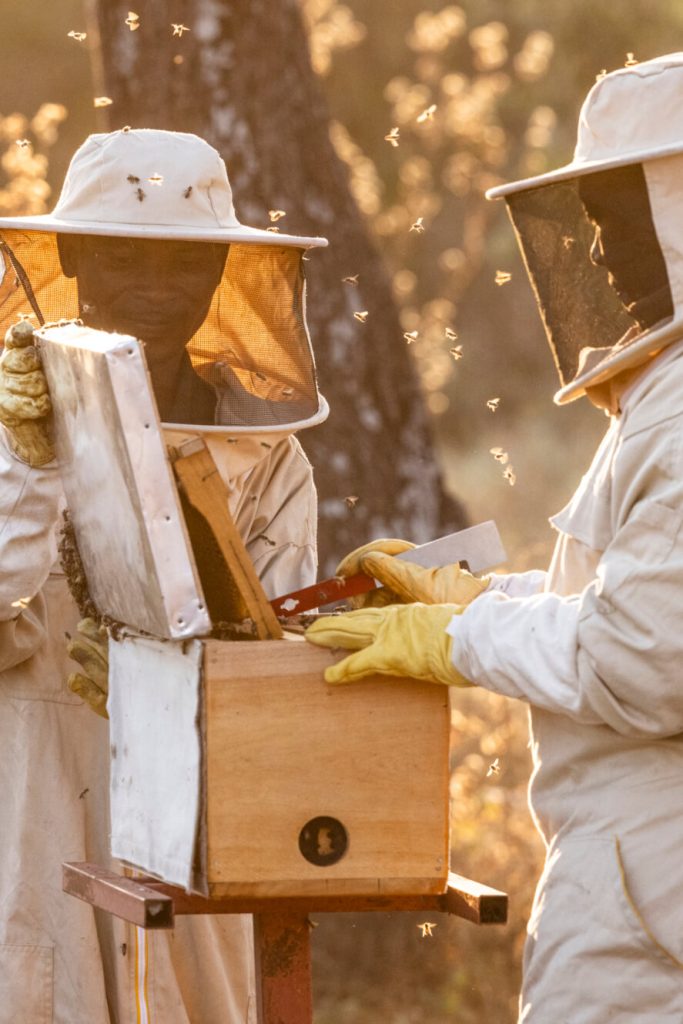
Like the Slow Safari concept, Chem Chem’s ponya cuisine is all about freedom of choice. You can order a burger and fries off the Mama Menu and chase it with a Maasai shot of immune-boosting ginger, garlic, raw onion, lemon, and honey. (And whether you notice or not, the burger itself is ponya—the patty, bun, and mayo are all homemade.) Most of the ingredients used in the kitchen are sourced from local small-scale farmers who grow without pesticides or hormones. Chem Chem’s own greenhouses and in-camp gardens provide much of the produce and herbs, including local specialties such as moringa, baobab powder, turmeric, and ginger—many of them regarded as medicine by Tanzanian communities. Wild herbs, like sage, basil, and mint, are cut on-site and dried for teas.

Chem Chem’s ponya culinary program has become a cultural touchstone, and another daring departure from the typical safari experience, with lighter, brighter, and wholly satisfying dishes. One such dish, ice cream spun with baobab powder, stayed with me long after my last bite. It was tart and faintly sherbet-like, served with roasted pineapple slices nicely caramelized at the edges—a triumph of contrasting textures and flavors that lingered on my palate for days.
One evening, as Mpapa and I climbed high into a baobab tree for sundowners, the reason for all the slowness came into particular focus for me. Looking out over the landscape from our elevated perch, I reflected on how this land was, not so long ago, almost gone. The 55,000-acre Burunge Wildlife Management Area once faced depopulation, its migration corridor between Lake Manyara and Tarangire National Park nearly reduced to dust as cattle grazing and poaching ravaged the ecosystem. The elephant population dwindled and nearly disappeared entirely. For almost two decades, Chem Chem, which leases the land from a confederation of 10 local villages, has invested heavily in anti-poaching efforts to turn it around. In 2021, the big tuskers swam across Lake Manyara, once again crossing the corridor after decades of desertion.
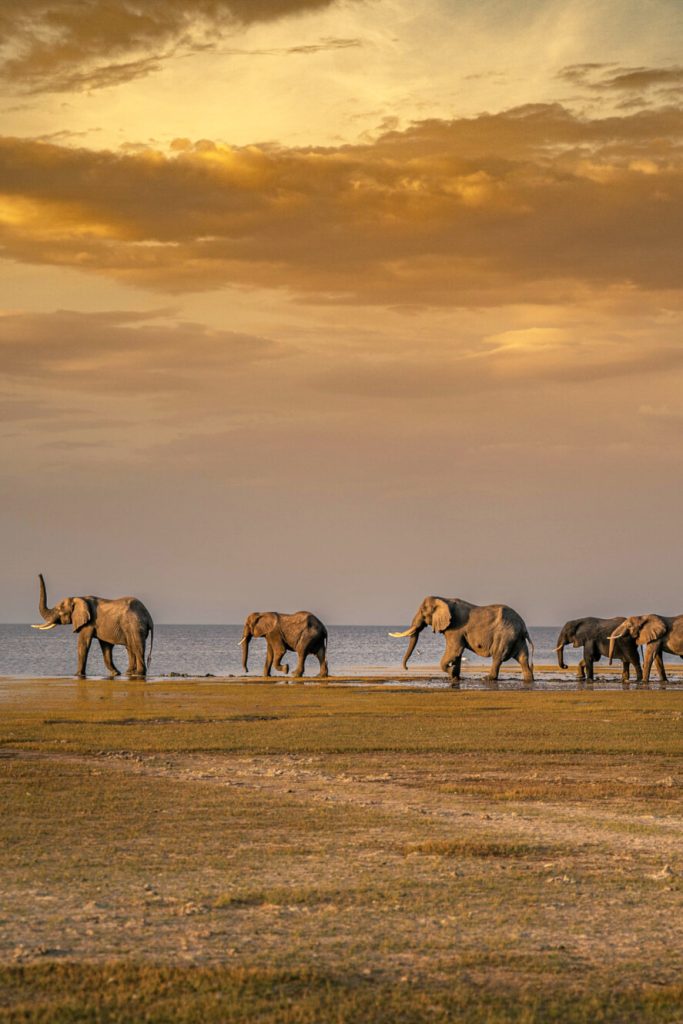

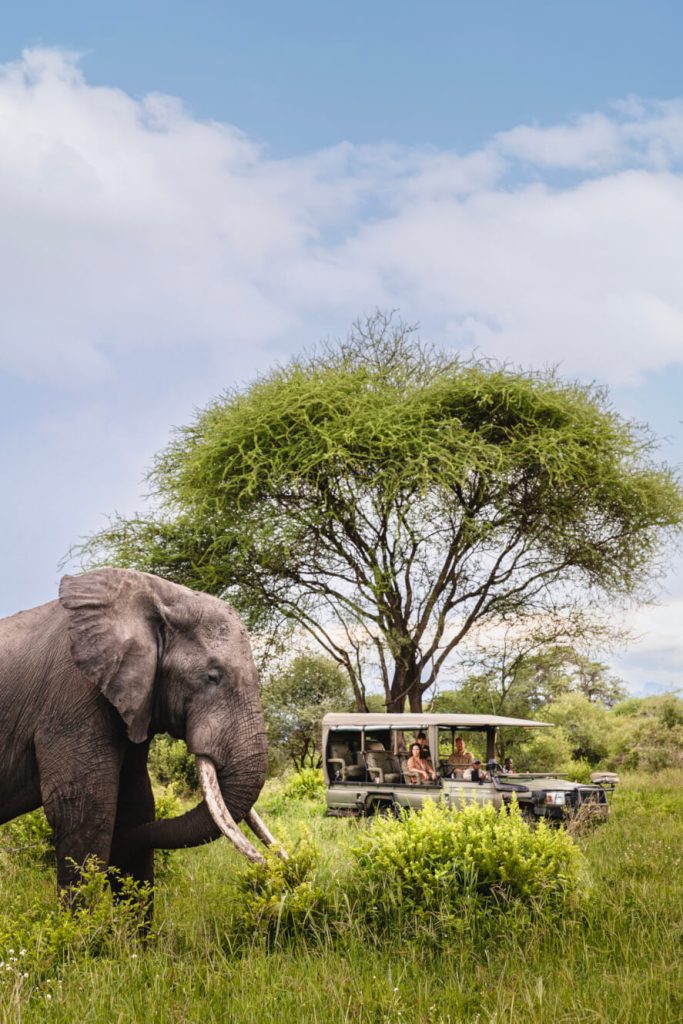
I glimpsed many of the area’s majestic elephants one afternoon with Mpapa. Silence was again a part of the experience as my guide cut the engine and we basked in the quiet glory of the pachyderms’ morning feast. A young elephant approached our vehicle, coming right up to me as I sat dead still while Mpapa quietly reassured me that all was well. Staring into the eyes of an elephant is as close as I’ve come to a religious experience. His exploratory trunk rested inches from my face—so close I could feel his breath. Tears streamed down my cheeks, not of fear but of pure joy.
That kind of encounter captures the promise at the heart of Slow Safari: When urgency falls away, the wilderness has room to reveal itself. Now part of the broader Auberge Safari portfolio, the philosophy offers travelers a more personal and deeply immersive way to experience Tanzania.
After all, when you slow down and remove the self-imposed pressures of a hurried life, you cannot be late for anything. There is no wrong time—only right now. Three days at Chem Chem may not be the cure for a life lived at high speed, but it is a fairly persuasive argument for slowing down long after you’ve gone home.
