

When The Knox, Auberge Collection opens in Dallas in early 2027, the hotel will bring a bold new standard of luxury to a city increasingly commanding the international spotlight. For its interiors, Martin Brudnizki looked to the city itself—and the exuberance, confidence, and unapologetic glamour that have long defined it. During a reconnaissance trip, he found all three embodied in an impeccably dressed grande dame. “At nine in the morning, she was wearing a Chanel suit, full makeup, and jewelry,” the Swedish-born interior designer recalls.
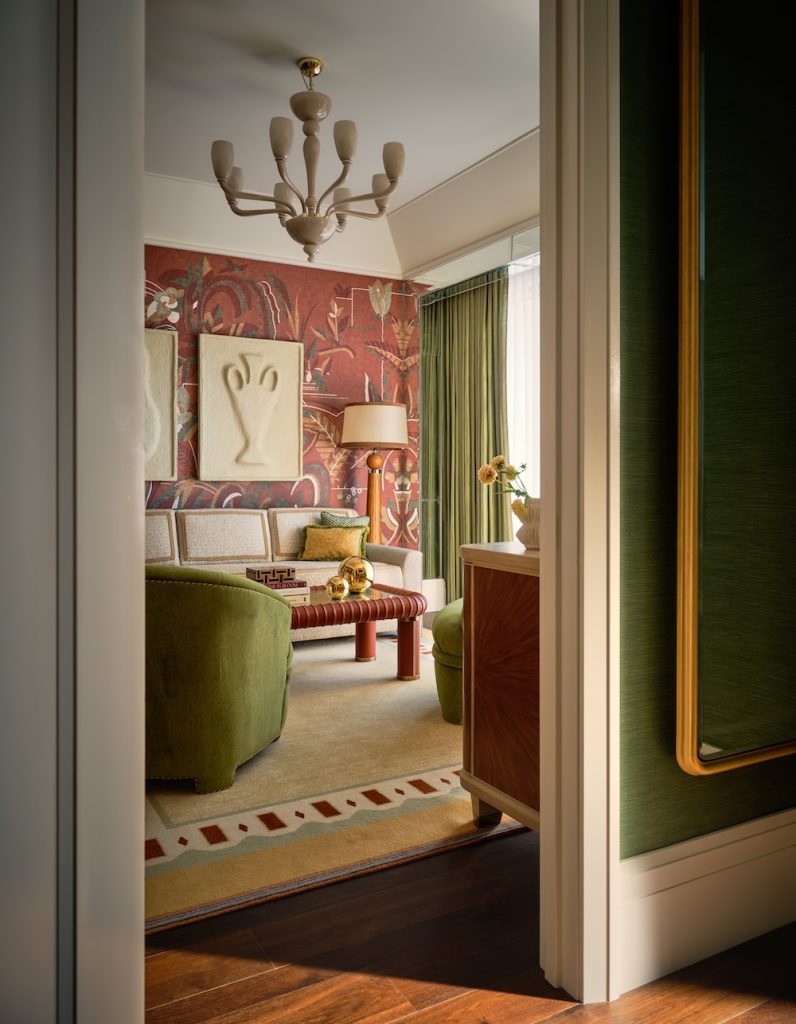
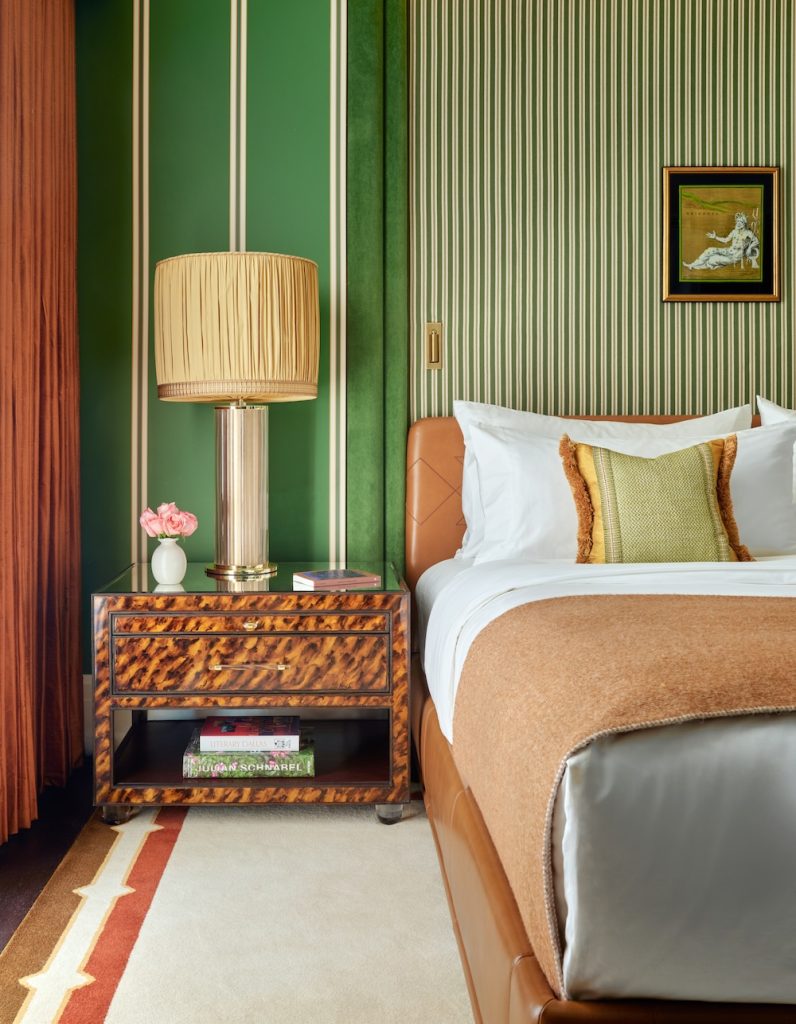
That spirit became the starting point for The Knox, Brudnizki’s first collaboration with Auberge Collection. “This is about creating something uber-glamorous,” he says of the Dallas hotel. “It’s for the ladies who lunch, for the men who meet for a drink.”

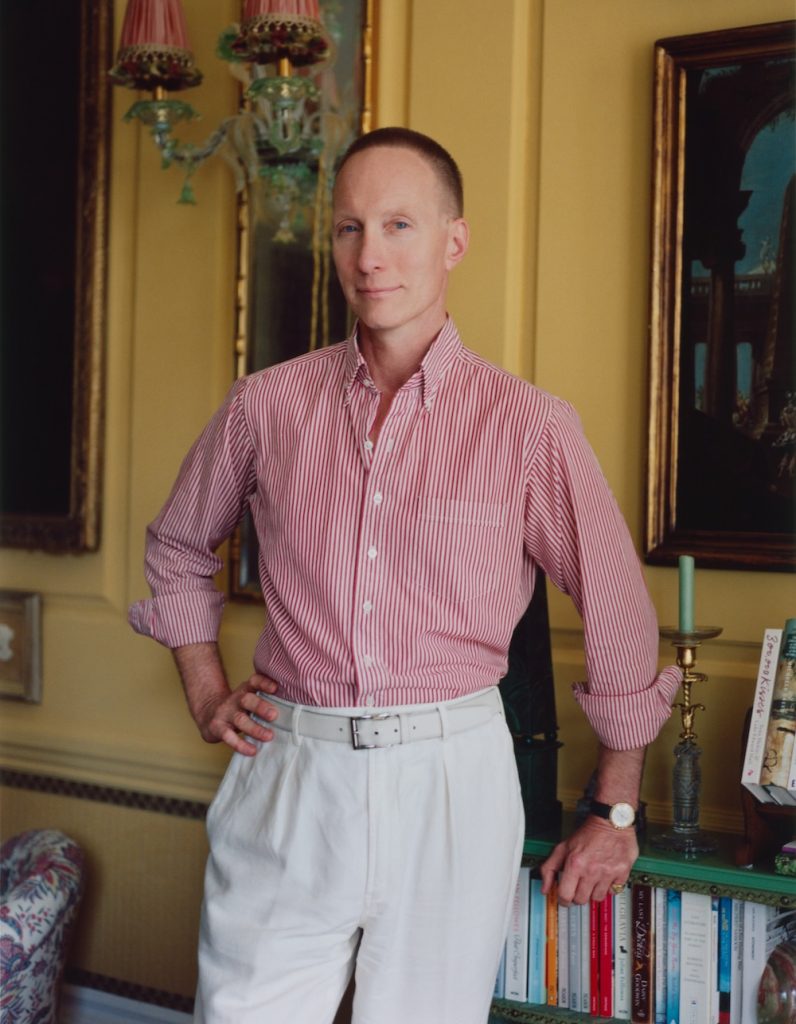
Brudnizki first became an international design star with his lavish reinvention of London’s legendary private members’ club Annabel’s in 2018. His theatrical, garden-inspired transformation of the Georgian townhouse was an object lesson in immersive escapism—from the subterranean Jungle Room, with its animal-print banquettes and glass palms, to the Powder Room, a selfie magnet in pink onyx and marble. Yet as his 2025 book, My Life in Colors (Rizzoli), makes clear, Brudnizki is far more than a maximalist.
His portfolio spans hotels, restaurants, private clubs, and residences, including a château he is currently renovating in the South of France. Each project is site-specific. Brudnizki moves fluidly across what he calls the “four pillars” of his practice—maximalism, minimalism, classicism, and modernism—dialing each up or down depending on the architecture, history, and location. Whatever the aesthetic, his work is grounded in architectural logic. Underneath the decorative flourishes is a careful understanding of how spaces should flow and how people move through them. Equally important is atmosphere.
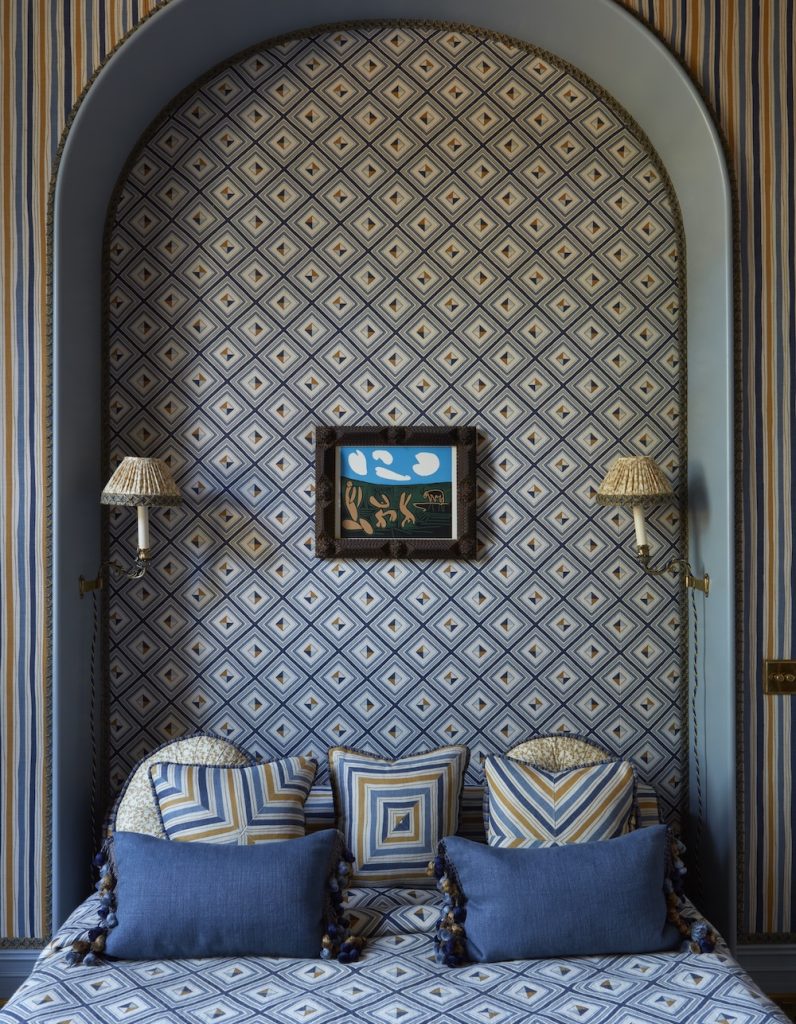
Binderton, the designer’s residence in the English countryside. Photo by James McDonald
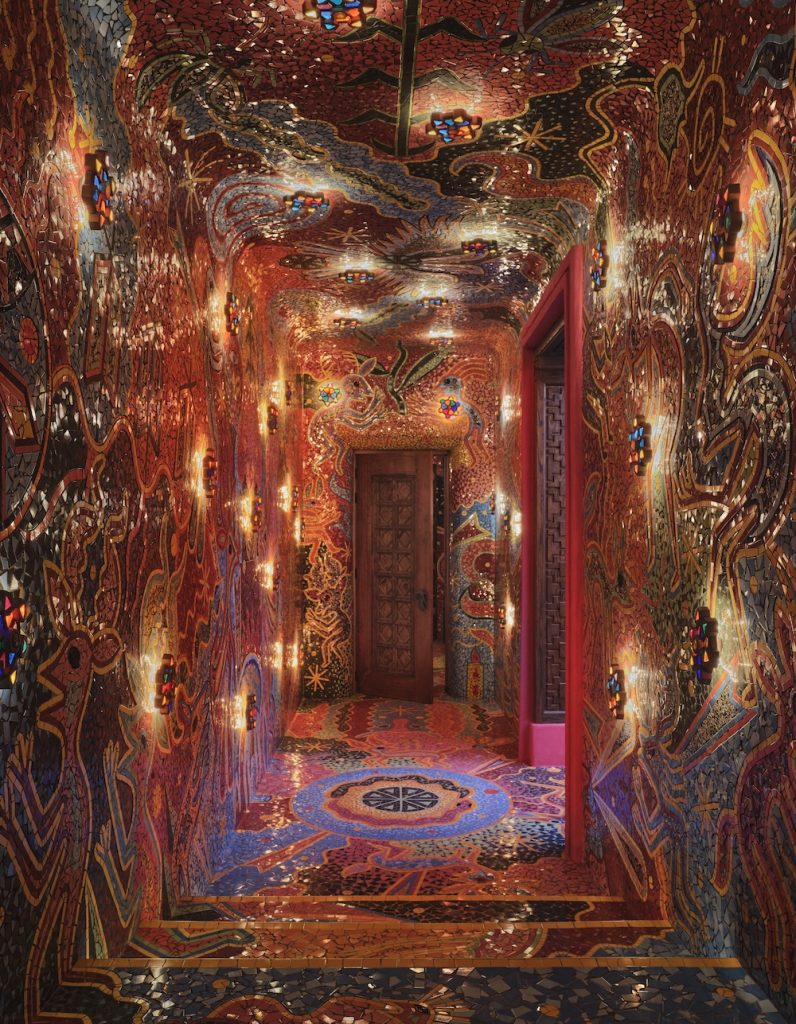
The mosaicked entrance to Chiki, a dazzling members’ lounge in Mexico’s Baja California Sur. Photo by Douglas Friedman Photography
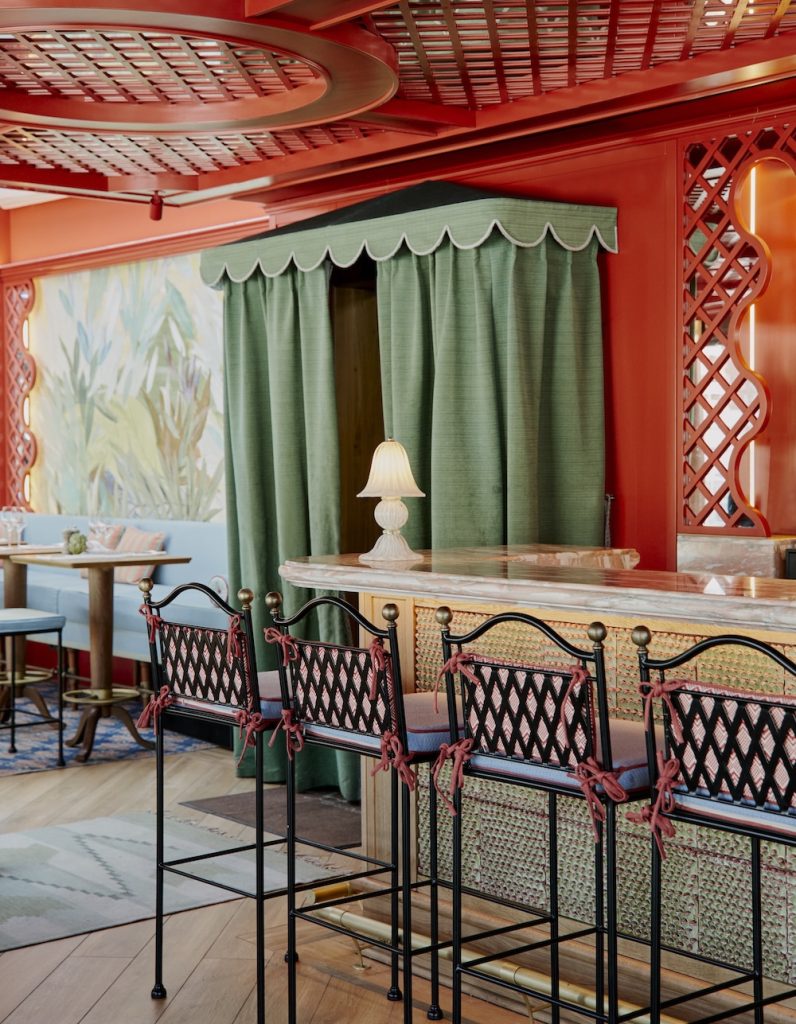
Whether a Parisian cafe, a nightclub in Mexico, or his own home, Brudnizki’s projects are maximalist, artfully layered—and never dull. La Plage Parisienne restaurant. Photo by Marina Denisova

As a new build, The Knox offered Brudnizki a rare opportunity to create a sense of place from the ground up. The hotel sits at the heart of the rapidly evolving Knox Street neighborhood, between historic Knox Street’s shopping corridor and Highland Park, an established pocket of Dallas now emerging as a new center of gravity for the city. With the hotel poised to become one of the enclave’s defining addresses, Brudnizki drew on Dallas’s confidence, sophistication, and unmistakable sense of occasion. “It’s a fabulous place to be, and that became the overriding narrative,” he says. “I wanted the hotel to feel like Dallas.”
To achieve this, he developed an earthy palette with leather, saddlework, and equestrian references nodding to cattle and horse country. This theme reaches its crescendo in The Cordovan Room, a leather-clad bar and restaurant embellished with cowhide and studs. Elsewhere, the hotel’s proximity to the nearby Katy Trail, a tree-lined park created from a former Union Pacific rail line, inspired a softer theme. The grand salon known as the Belvedere Terrace is enveloped in a custom de Gournay silk wallcovering hand-embroidered with roses and cascading wisteria drawn from the park itself.

For Brudnizki, the success of a hotel lies not only in its aesthetics but in its ability to transport guests into a fully imagined world. Every space is orchestrated to elicit a wow. Guests are first greeted in The Salon sheathed in sunburst veneer that leads into The Cabinet Room, a welcoming space that’s more personal library than hotel lobby. A grand staircase leads to the Fringe Club, a cocktail lounge and performance venue inspired by the glamour of 1950s supper clubs. Mirrored disco balls, rich red passementerie, and the room’s playful name—a nod to both decorative fringe and Britain’s independent theater scene—capture Brudnizki’s talent for balancing elegance with wit. “It’s like a journey,” he says of the hotel’s many themed rooms. “Every space is an experience.”
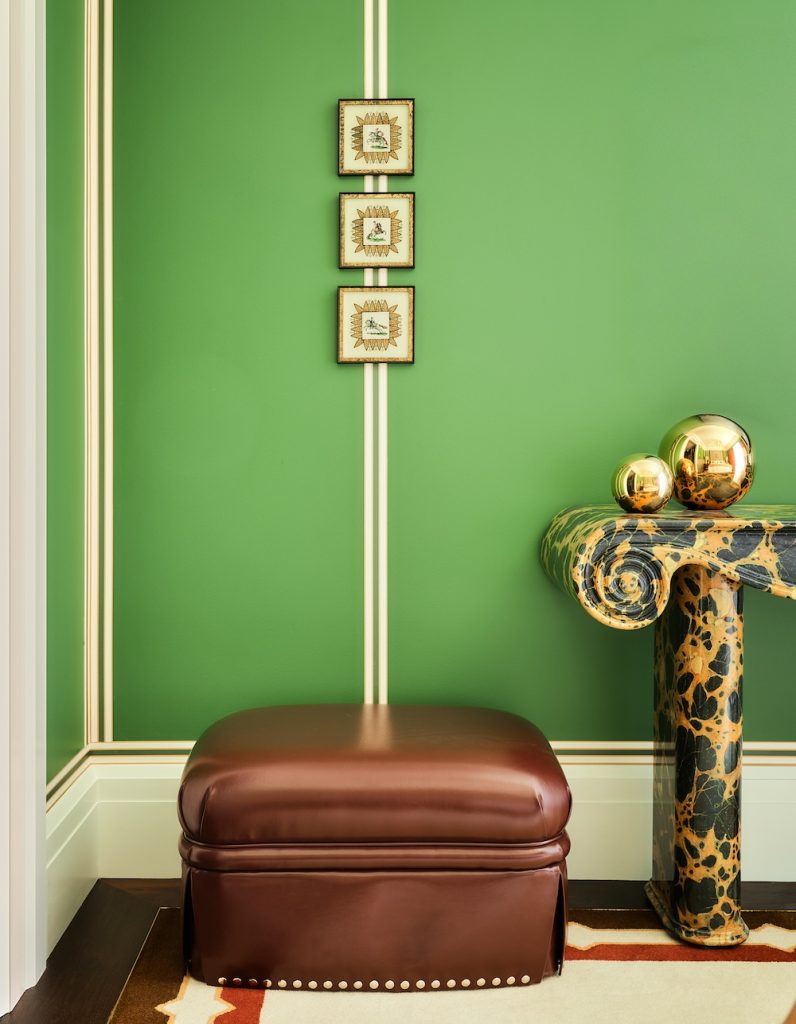
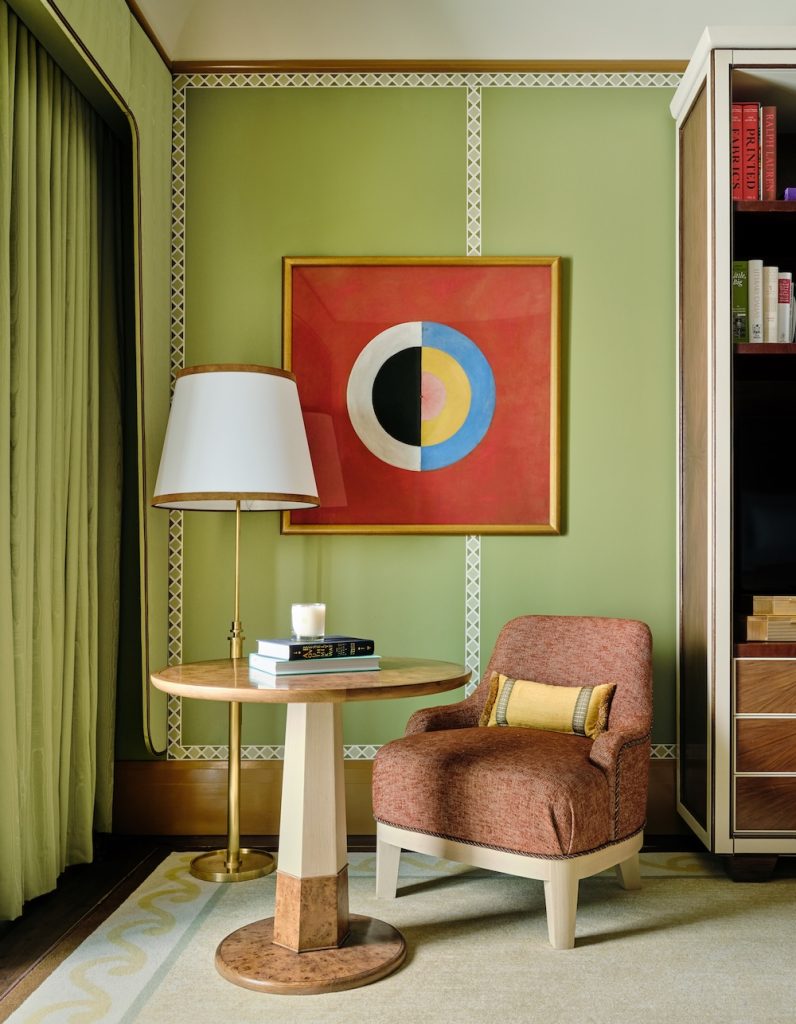
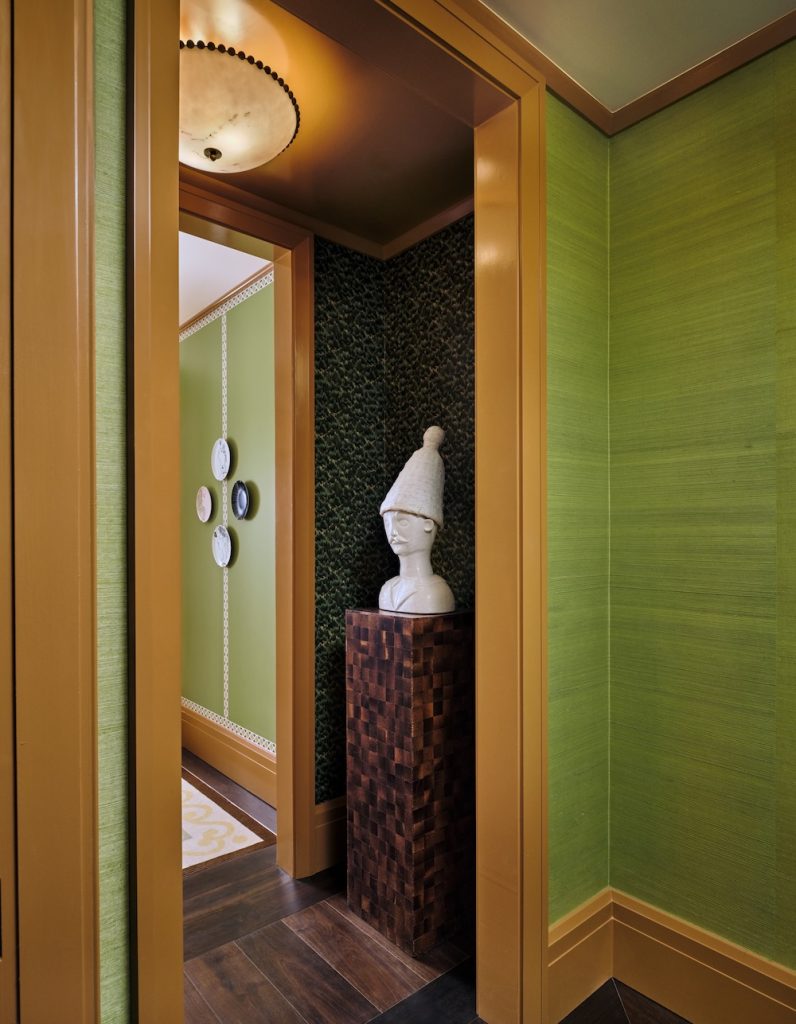

Creating that sense of theater depends as much on lighting as decoration. Working with designer Arnold Chan of London-based Isometrix, Brudnizki’s studio integrates lighting models into the design process from the earliest stages, carefully choreographing how a room evolves from morning coffee to late-night cocktails. “You can spend all the money in the world on beautiful materials, cushions, passementerie, and silk,” he says, “but if you don’t light it properly, it will fall flat.”
Brudnizki’s next major endeavor continues his long relationship with Annabel’s founder Richard Caring, with a Manhattan outpost of the celebrated club now in development, alongside commissions across Asia and the Middle East. But whether he is restoring a French chateau, designing a New York club, or creating an entirely new destination in Texas, his ambition remains the same: create spaces that celebrate a sense of place. At The Knox, that philosophy finds expression in a hotel that embraces Dallas on its own terms—its style, generosity, and larger-than-life personality—and transforms them into an experience that could happen nowhere else.
